Honey Bees for Sale: Complete Buyer's Guide for Beginners (2026)
Looking to buy honey bees for sale? Whether you're starting your first hive or expanding your apiary, purchasing healthy bees is the most critical decision you'll make as a beginner beekeeper. With thousands of bee suppliers across North America offering packages, nucs, and queens, navigating your options can feel overwhelming.
In this comprehensive guide, you'll learn everything about buying honey bees for sale — from understanding the different types available (packages vs. nucleus colonies) to knowing when to buy, how much to budget, and where to find reputable suppliers. By the end, you'll have the confidence to make an informed purchase that sets your beekeeping journey up for success.

Types of Honey Bees for Sale: Packages vs. Nucs vs. Queens
When shopping for honey bees for sale, you'll encounter three main options. Each has distinct advantages depending on your experience level, budget, and timing.
Package Bees: The Beginner's Choice
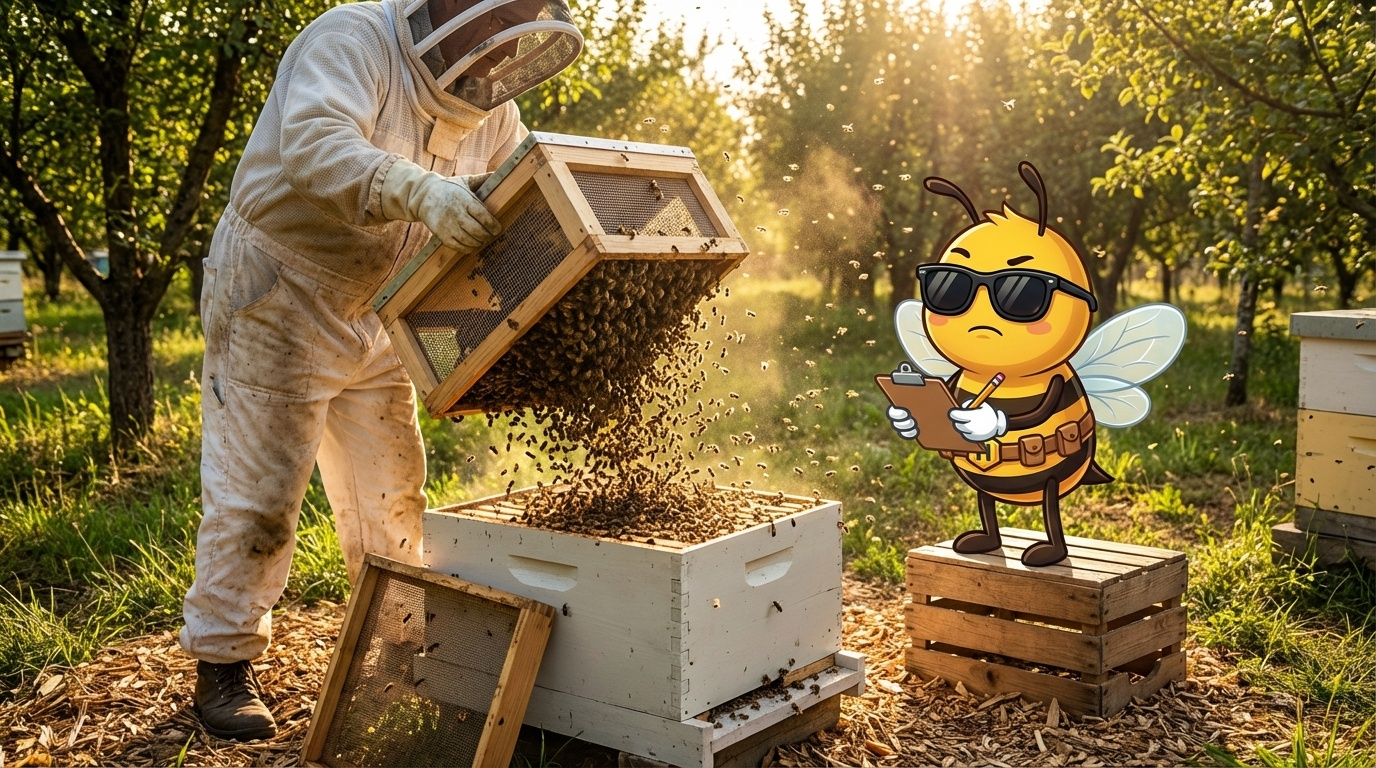
Package bees are the most common option for beginners buying honey bees for sale. A package consists of approximately 3 pounds of worker bees (about 10,000 bees) with a separately caged, mated queen, all contained in a ventilated wooden or cardboard box with a sugar syrup feeder.
Advantages: Package bees are affordable ($150–180), available from numerous suppliers, and arrive disease-free since they come without comb. They're perfect for complete beginners who want to watch their colony grow from scratch.
Disadvantages: Packages take 4–6 weeks to build up population since they start from zero comb and brood. The bees aren't related to the queen, so acceptance can sometimes be an issue. First-year honey production is typically minimal.
Nucleus Colonies (Nucs): The Fast-Track Option
A nucleus colony, or "nuc" (pronounced "nuke"), is a small, established colony on 4–5 frames containing brood at various stages, food stores, worker bees, and a laying queen. Think of it as a starter colony rather than just bees.
Advantages: Nucs offer an established colony with existing comb, brood, and food — giving you a 3–4 week head start over packages. The bees are already working together as a cohesive unit, and you can inspect frames before purchase. Many beginners find nucs easier to manage because the colony is already functioning.
Disadvantages: Nucs cost more ($200–300) and have limited availability, often selling out months in advance. There's a slight risk of disease transmission since you're getting used comb. Pickup is usually required rather than shipping.
Queen Bees: For Requeening or Splits
Individual mated queen bees are sold in small cages with 4–6 attendant bees and arrive by mail. While not ideal for complete beginners starting from zero, queens are essential for requeening failing colonies or making splits from existing hives.
Cost: $30–50 for standard Italian or Carniolan queens, $50–80 for hygienic or VSH (Varroa Sensitive Hygiene) queens.

When to Buy Honey Bees: Timing Your Purchase
Timing is everything when buying honey bees for sale. Order too late and suppliers sell out; order too early and you're unprepared when they arrive.
Order Season: Place orders in January–February for spring delivery (April–May). Popular suppliers sell out by mid-February, especially for nucs. Some offer fall nucs (August–September) in warmer climates.
Installation Season: Bees should arrive when your local nectar flow begins — typically April in the South, May in the North. Installing too early (frost risk) or too late (missed nectar flow) compromises colony success.
Pro Tip: Use the winter months to build equipment, study bee biology, and connect with local beekeepers. Join online communities like Modern Beekeeping for mentorship before your bees arrive.
How Much Do Honey Bees Cost?
Budget is a key consideration when shopping for honey bees for sale. Here's what to expect in 2026:
| Bee Type | Cost | Shipping | Total |
|---|---|---|---|
| Package Bees (3 lbs) | $150–180 | $40–60 | $190–240 |
| Nucleus Colony (5-frame) | $200–300 | Pickup only | $200–300 |
| Mated Queen (Italian/Carniolan) | $30–50 | Included | $30–50 |
| Mated Queen (VSH/Hygienic) | $50–80 | Included | $50–80 |
Hidden Costs to Consider: Don't forget hive equipment ($200–300), protective gear ($80–150), tools ($50–100), and sugar syrup for feeding ($20–40). Total first-year investment: $500–800. For a complete breakdown, check out our Beekeeping Equipment Checklist [blocked].

Where to Buy Honey Bees: Finding Reputable Suppliers
Not all bee suppliers are created equal. Here's where to look when shopping for honey bees for sale:
1. Local Beekeepers and Associations
Advantages: Local bees are adapted to your climate, pickup saves shipping stress, and you can inspect before buying. Many associations coordinate group orders for discounts.
How to Find: Search "[Your State] Beekeeping Association" or check BeeCulture.com's supplier directory. Attend winter meetings where suppliers take pre-orders.
2. National Bee Package Suppliers
Large-scale operations ship package bees nationwide. Reputable suppliers include Olivarez Honey Bees (California), Gardner's Apiaries (Texas), and Weaver Apiaries (Texas). Packages arrive via USPS with 24–48 hour delivery.
What to Ask: Request health certificates, ask about queen source (mated where?), and confirm shipping dates. Avoid suppliers who can't provide documentation or have consistent negative reviews.
3. Beekeeping Supply Retailers
Stores like Mann Lake, Dadant, and Brushy Mountain coordinate bee sales from regional suppliers. They offer one-stop shopping (bees + equipment) and usually provide pickup locations near you.
Red Flags to Avoid
Warning Signs: No health certificates, reluctance to answer questions about bee origin, inconsistent delivery dates, or "too good to be true" pricing. Buying diseased bees can devastate your apiary and spread problems to neighboring hives.
What to Check When Your Bees Arrive
When your honey bees for sale arrive, immediate inspection is critical — especially since most suppliers have 24–48 hour claims windows.
Package Bees Checklist:
- Less than 2 inches of dead bees in bottom (some mortality is normal)
- Queen cage visible with live queen inside
- Cluster of bees humming (not silent or aggressive)
- Sugar syrup feeder not empty
Nucleus Colony Checklist:
- All frames present and secured
- Visible eggs and larvae (proving queen is laying)
- Pollen and honey stores present
- No signs of disease (chalk brood, foulbrood)
Immediate Action: Install bees within 24 hours of pickup/delivery. Keep packages cool (60–70°F) and lightly mist with sugar water if holding overnight. Never refrigerate.
For a detailed walkthrough of your first inspection after installation, see our Hive Inspection Checklist for Beginners [blocked].

Preparing for Your Bees: Essential Pre-Purchase Steps
Before clicking "buy" on honey bees for sale, ensure you're actually ready:
1. Check Local Regulations: Verify beekeeping is allowed in your city/HOA. Some areas require permits or minimum property sizes.
2. Have Equipment Ready: Your hive should be assembled, painted (if wood), and positioned before bees arrive. Scrambling to build equipment with live bees waiting is stressful. Not sure what you need? Our How to Start Beekeeping guide [blocked] covers everything.
3. Know Your Installation Method: Watch videos specific to packages or nucs. Practice opening the package/nuc box without live bees. Have sugar syrup ready.
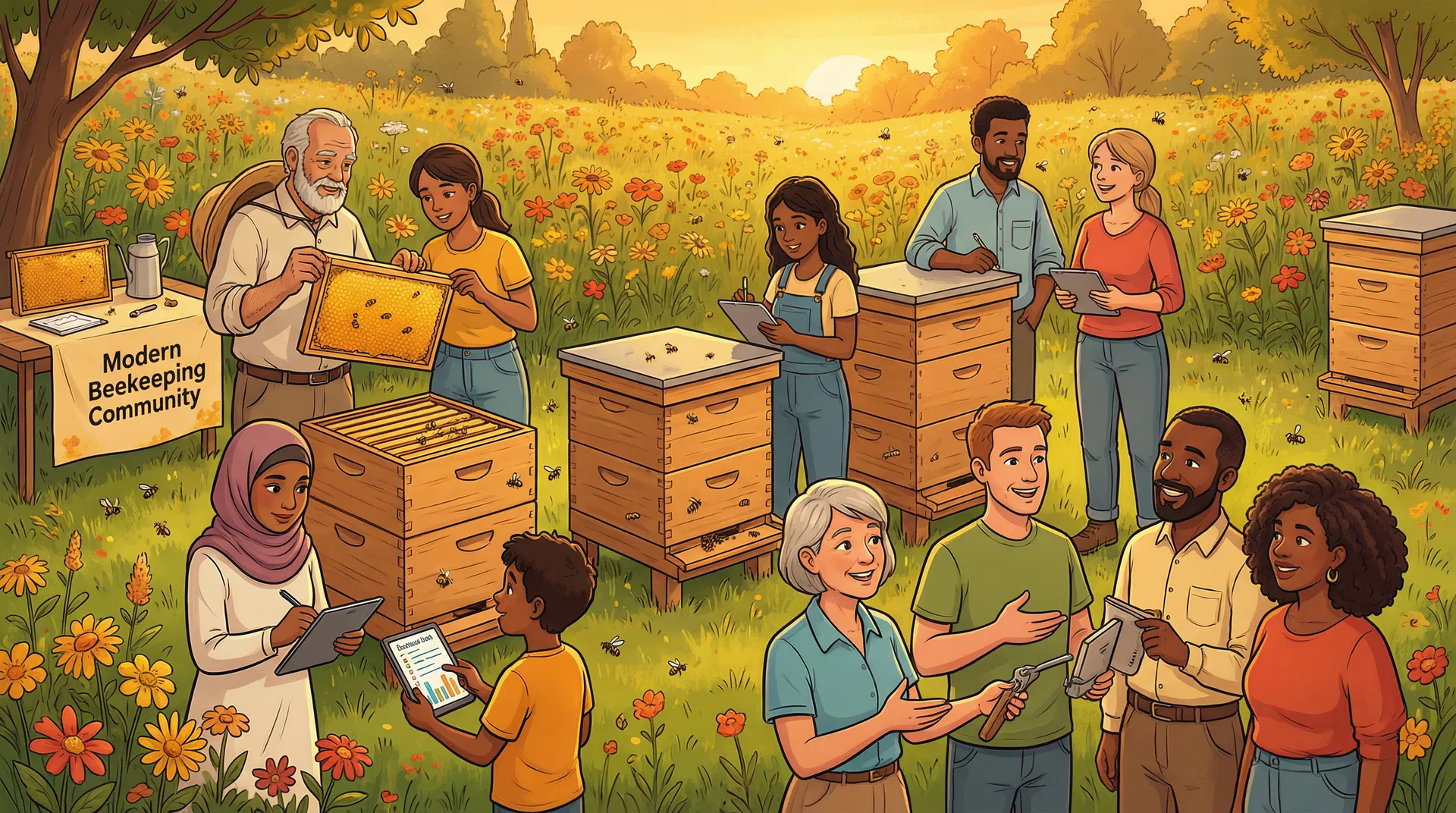
4. Find a Mentor: Nothing replaces hands-on guidance. Join beekeeping communities like Modern Beekeeping where 5,000+ experienced beekeepers provide free support, troubleshooting, and encouragement.
5. Understand First-Year Expectations: Packages typically produce little to no surplus honey the first year — focus on colony survival and growth. Nucs may produce 20–40 pounds if conditions are ideal. Learn more about what to expect in our Honey Harvesting Guide [blocked].
Frequently Asked Questions About Buying Honey Bees
Q: Can I buy honey bees year-round? A: No. Package bees are only available spring (April–May) and some fall (August–September in warm climates). Order windows close in February–March.
Q: Are Italian or Carniolan bees better for beginners? A: Italian bees (Apis mellifera ligustica) are most popular — gentle, productive, and widely available. Carniolans are slightly more defensive but excel in cold climates. Both are excellent beginner choices.
Q: Should I buy one hive or two? A: Two hives are strongly recommended. Having a comparison hive helps you identify problems, and you can transfer resources (frames of brood, honey) between colonies if one struggles. The cost difference is minimal compared to benefits. Read our detailed analysis: How Many Hives Should a Beginner Start With? [blocked]
Q: Can I catch wild swarms instead of buying? A: Swarm catching is free and exciting, but unreliable for beginners. You can't control timing, genetics, or health. Use swarms as a bonus, not your primary plan. Set up bait hives in April–May to increase chances.
Start Your Beekeeping Journey Today
Buying honey bees for sale is the exciting threshold between dreaming about beekeeping and actually becoming a beekeeper. Whether you choose package bees for affordability or nucs for a head start, both paths lead to the incredible experience of working with these fascinating insects.
Remember: successful beekeeping doesn't end with the purchase — it begins with education, community, and ongoing support. Before placing your order:
- Order early (January–February) from reputable suppliers
- Budget $500–800 total for first-year setup
- Have equipment ready before bees arrive
- Connect with experienced beekeepers for mentorship
Join the Modern Beekeeping community today — a free global network of 5,000+ beekeepers offering expert guidance, troubleshooting, and support from your first hive inspection through harvest. With 200+ video lessons, 3D-printable equipment designs, and 24/7 community help, you'll have everything you need to succeed.
Related Articles:
- How to Start Beekeeping: Complete Step-by-Step Guide [blocked]
- Beekeeping Equipment Checklist for First-Year Beekeepers [blocked]
- How Many Hives Should a Beginner Start With? [blocked]
- Hive Inspection Checklist for Beginners [blocked]
- Honey Harvesting Guide [blocked]
- Flow Hive Review 2026: Is It Worth It? [blocked]
- Seasonal Beekeeping Calendar [blocked]